

By Emma Garcia, Oak Creek correspondent
Growing Hunger Despite Incremental Progress
Recent reports show that while global hunger eased slightly in 2025, many people around the world continue to face severe challenges accessing nutritious food. An estimated 7.8 percent of the global population—about 645 million people—were undernourished last year. Even more troubling: over two billion people suffered moderate or severe food insecurity.
The issue is especially acute in certain regions. In Africa, more than half of the population experienced moderate or severe food insecurity in 2025. Asia and Latin America also saw elevated levels, though less severe in many cases. Women, children, and rural communities are disproportionately affected.
Main Drivers: Conflict, Economy, and Climate
Three forces interact to fuel global hunger: armed conflict, economic instability, and climate-related disruptions. Wars displace populations, damage infrastructure, and interrupt supply chains. Economic pressures—high costs, inflation, and geopolitical tensions—amplify hardship. At the same time, extreme weather, droughts, floods, and shifting growing conditions make farming and distribution less reliable.
Conflict Trends: More Intense, Less Contained
Violence targeting civilians is at some of the highest levels seen in recent years. Internal conflicts continue to dominate the global landscape, with state forces involved in most violent events. Non-state actors are increasingly capable—some employing drones and cyber tools.
More interstate wars are emerging, too. Territorial disputes and annexations have put longstanding post–World War II principles under pressure. Meanwhile, the displacement of people is growing. Over 117 million were displaced by mid-2025 due to conflicts.
What It Means for the Global Community
These overlapping crises shape migration patterns, economic stability, health outcomes, and geopolitical relations. Places with weak infrastructure or governance are especially vulnerable. The effects ripple outward: food supply disruptions in one region can push prices up globally. Armed conflicts can undermine peace frameworks and create enduring insecurity.
Where Efforts Are Making a Difference
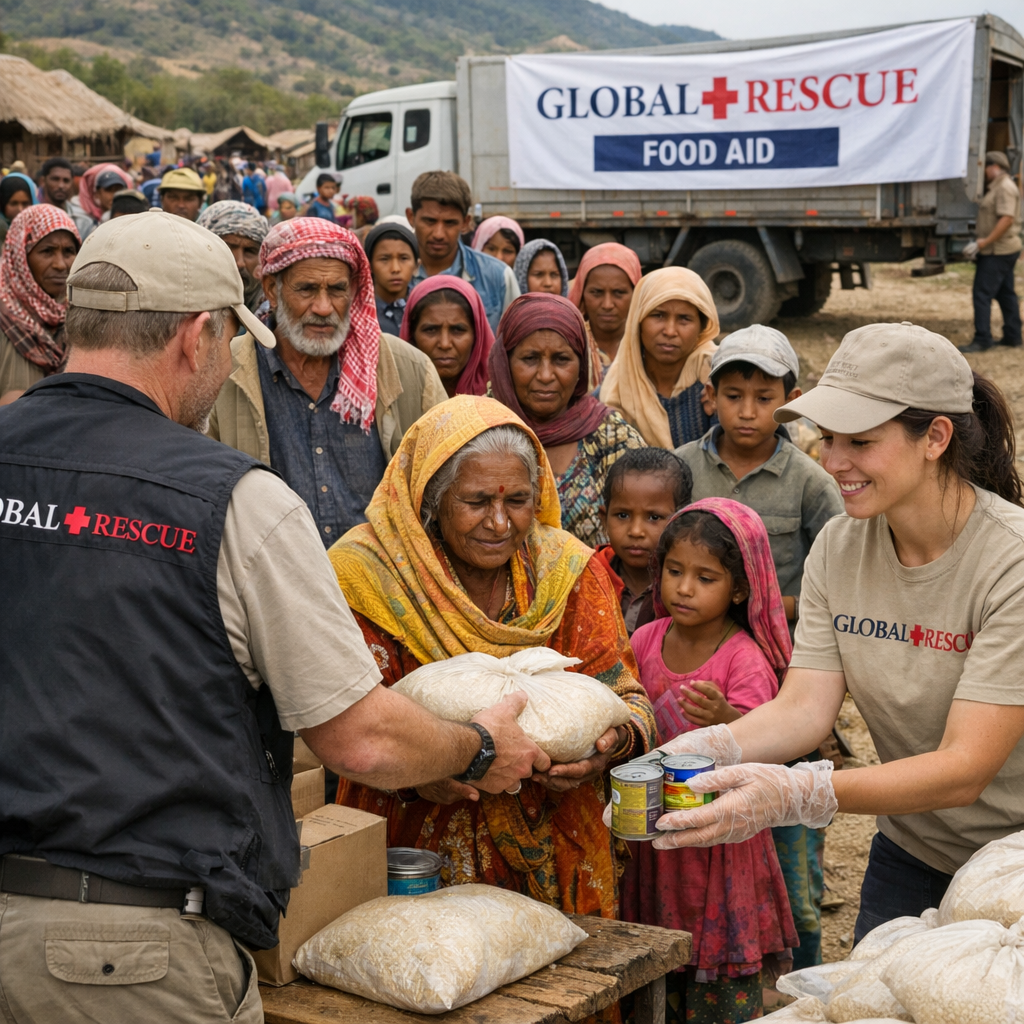
Several international efforts are showing signs of impact. United Nations agencies are coordinating nutritional interventions and emergency food relief. Governments are investing in agricultural resilience—boosting infrastructure, diversifying crop systems, and supporting climate‐smart farming. Policy shifts in climate diplomacy are reinforcing how climate action, economic security, and peace are interconnected.
What Citizens Can Do
- Support organizations working on food relief and humanitarian aid—donate, raise awareness, or advocate for resource allocation.
- Stay informed about global trade and supply chain issues—local choices (food consumption, waste) tie into the larger picture.
- Engage in dialogue about climate resilience—advocating for sustainable farming, water conservation, and infrastructure strengthens communities worldwide.
Looking Forward
While slight improvements offer hope, meeting global goals for ending hunger and reducing conflict will require sustained momentum. Progress hinges on coordinated policies, international cooperation, and community-level resilience. The stakes are high—not just abroad, but for shared stability and justice everywhere.